Nootropics for sleep are the missing half of most cognitive performance plans. Plenty of people invest in focus supplements for the daytime, then undercut every gain with six restless hours at night. Sleep is when your brain consolidates memories, clears out metabolic waste, and resets attention for the next day — and no daytime nootropic can make up for skipping it.
This guide covers five commonly studied ingredients marketed as nootropics for sleep and relaxation support, what to avoid, how timing works, and two formulas worth comparing if you want them combined.
Some links in this article are affiliate links. If you buy through them, we may earn a commission at no extra cost to you. See our affiliate disclaimer.
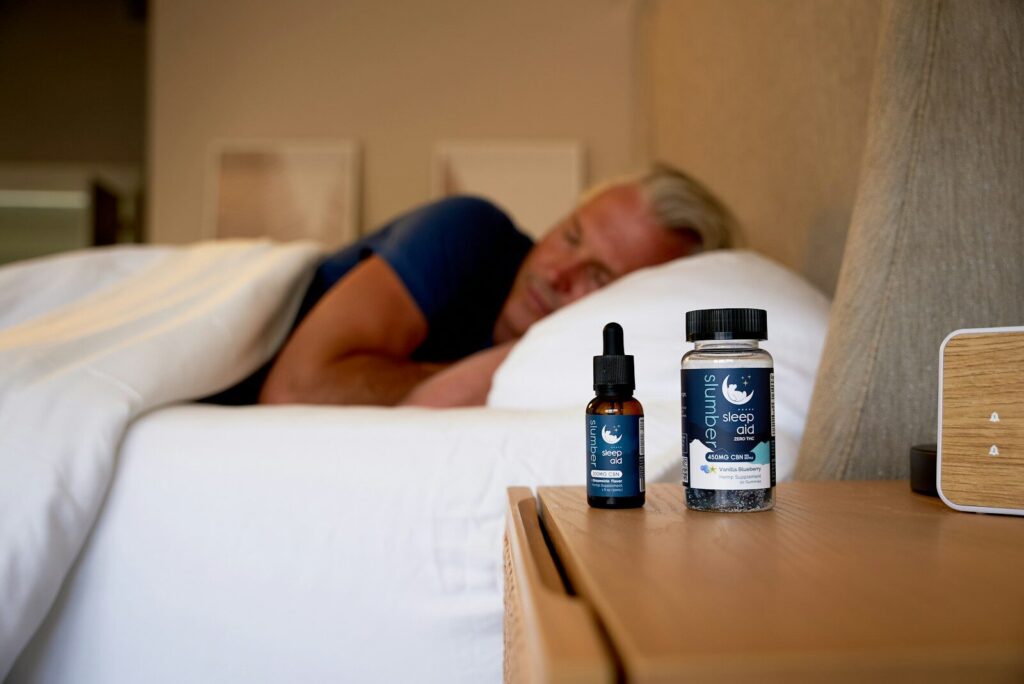
Why Sleep Is the Most Underrated Nootropic
Think of sleep as the nootropic your brain already produces for free. During deep sleep, the brain moves new information from short-term into long-term memory. During REM sleep, it processes emotions and connects ideas. Cut either stage short and the next day’s focus, working memory, and mood all take a hit.
That’s why many cognitive stacks are built in two shifts: support focus and energy during the day, then support recovery at night. If you already use a daytime formula, some people also consider nootropics for sleep when stress or other factors make it difficult to wind down (see our guide to nootropics to stay focused under stress).
What Makes a Good Nootropic for Sleep?
Not every “sleep aid” qualifies. Before any ingredient makes our list, we look at four things:
- Safety and tolerability: consider whether the ingredients have known risks, interactions, or potential next-day effects.
- Next-day effects: some sleep ingredients can cause drowsiness or other effects the following morning, so individual response matters.
- Evidence-based doses: ingredients should be dosed in line with the research, not sprinkled in for the label.
- Transparent label: no proprietary blends that hide how much of each ingredient you’re actually getting.
5 Commonly Studied Nootropics for Sleep
1. Magnesium — The Calming Mineral
Magnesium plays a role in hundreds of processes in the body, including the nervous system activity that helps you wind down. According to the NIH Office of Dietary Supplements, many adults don’t get the recommended amount from food alone. Gentle forms such as magnesium bisglycinate and taurate are well absorbed and easy on the stomach, which is why they are commonly chosen for evening use — and one reason magnesium appears in so many nootropics for sleep.
2. Montmorency Tart Cherry — Natural Melatonin
Tart cherry is one of the most popular nootropics for sleep because it’s one of the few foods that naturally contain melatonin, the hormone that signals your body it’s time to sleep. The advantage over synthetic melatonin pills is the dose: tart cherry delivers a small, food-level amount, while many drugstore melatonin products contain far more than your body produces on its own. If you’re considering melatonin, the NCCIH overview of melatonin is worth a read.
3. L-Tryptophan — The Building Block of Sleep Hormones
L-Tryptophan is an essential amino acid your body uses to make serotonin, which it then converts into melatonin. In other words, it supplies the raw material for your own sleep chemistry rather than overriding it. That is the rationale behind tryptophan-based nootropics for sleep, although how any one person responds varies.
4. Lemon Balm — Traditional Calm
Lemon balm (Melissa officinalis) has been used as a calming herb for centuries. Modern research suggests it may help ease restlessness and support relaxation, which makes it a common partner in nootropics for sleep that work on the sleep cycle itself.
5. L-Theanine — The Tea Amino Acid
Found naturally in tea leaves, L-Theanine is commonly studied for relaxation and calm focus. That is one reason it also appears in daytime formulas like Mind Lab Pro (read our full Mind Lab Pro review). Some people discuss it alongside nootropics for sleep because a calmer day may make winding down easier, but individual results vary.
One Formula to Compare: Performance Lab Sleep
If you’d rather not buy and dose four separate supplements, Performance Lab Sleep combines the first four nootropics for sleep on this list into one formula. Here’s what’s in a serving (2 capsules):
| Ingredient | Dose per serving |
|---|---|
| Magnesium (Bisglycinate, Taurate, NutriGenesis®) | 100 mg |
| CherryPURE® Montmorency Tart Cherry (50:1) | 500 mg |
| L-Tryptophan | 200 mg |
| Lemon Balm Extract | 200 mg |
What we like:
- No stimulants among the listed ingredients (magnesium, tart cherry, L-Tryptophan, lemon balm)
- Uses low-dose natural melatonin from tart cherry rather than added high-dose melatonin
- Fully transparent label with no proprietary blends
- Vegan, with no synthetic additives, in prebiotic NutriCaps®
- 30-day money-back guarantee
What to keep in mind:
- At $44 for a one-time bottle, it costs more than a basic magnesium pill
- The recommended dose is 2–4 capsules, so heavier users will go through a bottle faster
- The magnesium dose is moderate — if your diet is very low in magnesium, you may need additional support
At the time of writing, a monthly subscription drops the price to $39.60, and a 4-month plan brings it down by 25%. It’s made by the same team behind Performance Lab’s daytime formulas — see our Performance Lab review for more on the brand.
→ Check the current price of Performance Lab Sleep
Another Formula to Compare: Yu Sleep
Among liquid nootropics for sleep, Yu Sleep takes a different approach from Performance Lab Sleep. It’s a liquid formula taken by dropper, and it includes a low dose of melatonin (0.9 mg per serving) alongside a blend of calming ingredients.
According to the manufacturer’s 2026 label disclosure, each 2 mL serving contains vitamins B2 and B6, 0.9 mg of melatonin, and a 637 mg proprietary blend of tart cherry juice concentrate, magnesium glycinate, apigenin, lemon balm, 5-HTP, L-Theanine, and GABA.
| Performance Lab Sleep | Yu Sleep | |
|---|---|---|
| Format | Capsules | Liquid dropper |
| Melatonin | Natural, from tart cherry | 0.9 mg added |
| Label | Every dose disclosed | Proprietary blend (individual doses not disclosed) |
| Serotonin-related ingredients | L-Tryptophan | 5-HTP |
| Guarantee | 30 days | 60 days (conditions apply) |
What to keep in mind: Yu Sleep uses a proprietary blend, so you can’t see how much of each ingredient you’re getting. That’s the trade-off we flag in “What to Avoid” below. On the other hand, some people prefer a liquid format, or a formula that includes a small, defined dose of melatonin. As with all nootropics for sleep, check the full label before choosing.
Safety note: 5-HTP affects serotonin. Don’t combine Yu Sleep with antidepressants (such as SSRIs or MAOIs) or other serotonergic medication without talking to your doctor first.
→ Check the current price of Yu Sleep
What to Avoid in a Sleep Supplement
Not every product sold as nootropics for sleep is a good choice. Watch out for:
- High-dose melatonin: 5–10 mg pills are common but often more than you need, and can leave you groggy the next morning.
- Antihistamine sleep aids: products based on ingredients like diphenhydramine can cause next-day drowsiness and aren’t designed for nightly long-term use.
- Proprietary blends: if the label won’t tell you the dose of each ingredient, you can’t judge whether it works.
- Stimulants late in the day: caffeine-based nootropics taken in the afternoon can undo everything above. Our guide on the best time to take nootropics covers how to schedule them.
How to Take Nootropics for Sleep
- Timing: follow the directions on the label of whatever product you use. Instructions differ between products and ingredients, so don’t treat any single schedule as a universal rule.
- Consistency: some ingredients are studied over longer periods, while others may be used for more immediate effects. Follow the product label and evaluate your response over time. Here’s more on how long it takes for nootropics to work.
- Habits matter: cut caffeine after early afternoon, dim screens in the last hour before bed, and keep a consistent wake-up time.
- Day and night: if you pair a daytime formula with nootropics for sleep at night, take them at different times of day and check with your doctor if you take any medication.
Frequently Asked Questions
Are nootropics for sleep safe?
The natural ingredients covered here are generally well tolerated at studied doses. However, L-Tryptophan affects serotonin, so talk to your doctor first if you take antidepressants (such as SSRIs or MAOIs) or other medication, if you’re pregnant or nursing, or if you have a diagnosed sleep disorder.
Will they make me groggy in the morning?
Next-day effects vary by ingredient, dose, and individual sensitivity. Some people may experience morning drowsiness even when a product is marketed as gentle or non-sedating, so try a new product on a night when you don’t need to be at your sharpest the next morning.
Can I take a daytime nootropic and a sleep supplement together?
Many people use them at different times of day, but check with your doctor first if you take any medication, and avoid stimulant-based products after early afternoon.
How fast do nootropics for sleep work?
It depends on the ingredient, the product, and the individual. Some ingredients are studied over longer periods, while others are taken closer to bedtime, so follow the label and judge your own response over time.
The Bottom Line
Better sleep is the foundation every other cognitive upgrade is built on. The nootropics for sleep covered here — magnesium, tart cherry, L-Tryptophan, lemon balm, and L-Theanine — are studied in relation to the body’s own sleep and relaxation processes, although the evidence varies by ingredient. If you want the first four in one formula, Performance Lab Sleep is one option to compare; if you prefer a liquid with a small dose of melatonin, compare Yu Sleep. Check the full label of either before choosing.
→ Check Performance Lab Sleep’s current price (30-day guarantee)
This article is for informational purposes only and is not medical advice. If you have ongoing trouble sleeping, talk to a healthcare professional.